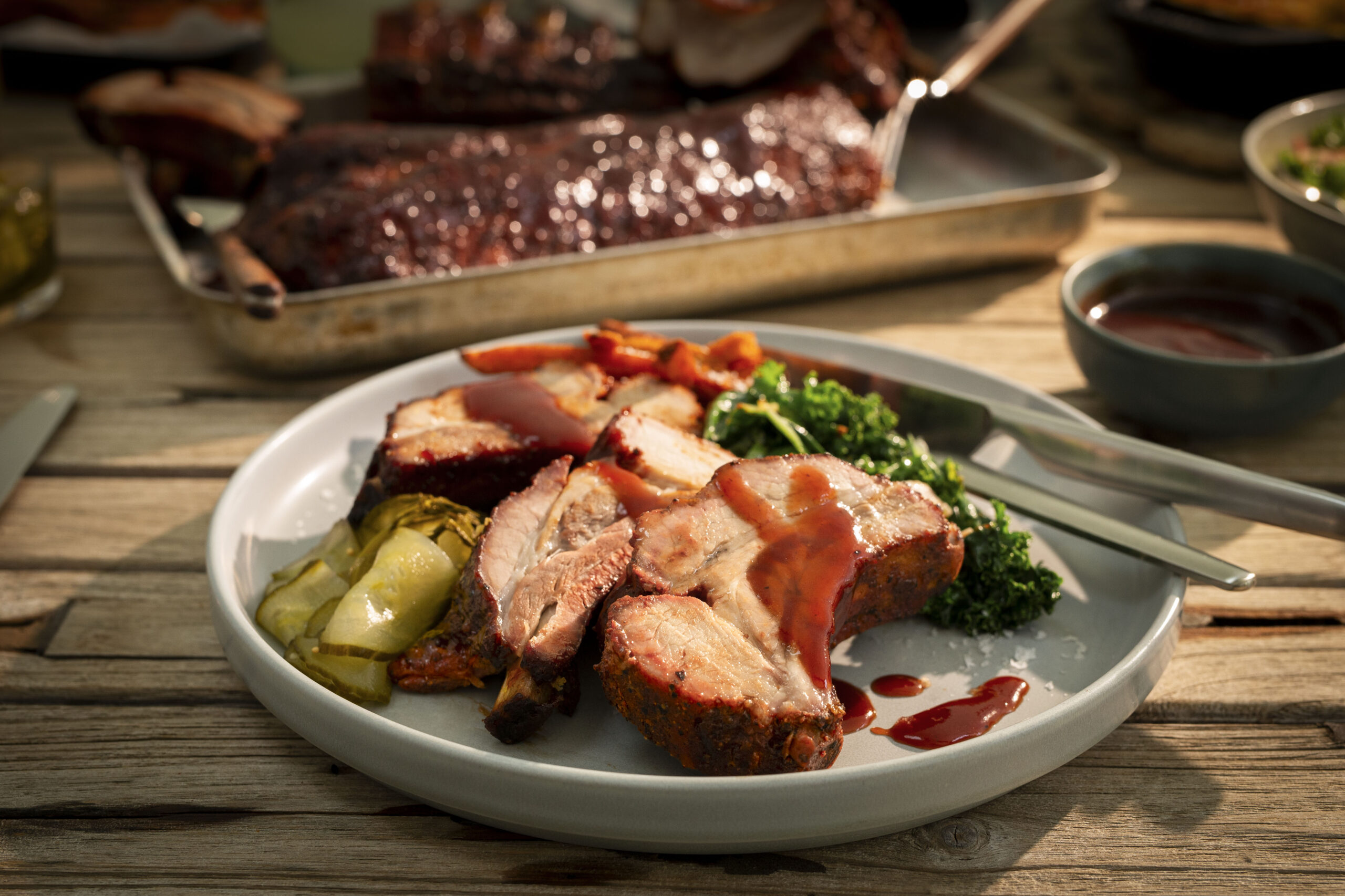
When you’re looking for an iron-rich food to add to your weekly meal plan, your mind might go to beef or lamb. But there’s a powerhouse source that you could be overlooking: pork.
The iron in pork plays a key role in energising your body, supporting muscle function, and helping you feel your best. And it does all this while tasting absolutely delicious. Today, we break down the importance of iron in your diet and teach you how to choose the right cuts, cook them well, and add more pork to your plate.
Why Do We Need Iron In Our Diet?
Iron is one of those nutrients your body simply can’t do without. And, thankfully for us, it comes in many tasty food forms. Adding iron to your diet can benefit:
- Oxygen transport: Helping your blood carry oxygen from your lungs to the rest of your body.
- Energy production: Keeping iron levels steady to prevent fatigue and boost stamina.
- Muscle function: Your muscles rely on oxygen, making iron vital for performance and recovery.
Some groups need to be even more mindful of their intake. Women aged 18 to 50, for example, require 18mg of iron a day. Teenagers require 16mg a day, and men require 8mg. The news is positive, though. Since a variety of foods, including Australian pork, provide you with plenty of iron, getting enough is simple.
Is Pork High in Iron?
Good news for pork lovers: your favourite meat contains plenty of iron. And most importantly, it provides you with haem iron, which is the type easily absorbed by the body.
Although pork doesn’t match the iron levels of red meats like beef or lamb, it still contributes meaningfully to your daily intake. So, when you enjoy this versatile protein as part of a varied diet, it can do quite a bit of nutritional heavy lifting.
How Does Iron in Pork Compare to Other Protein Sources?
When you eat a protein source, your body absorbs its nutrients, delivering you a whole range of health benefits. When you eat haem iron specifically, you absorb up to 30% of the iron it contains.
Here’s how your favourite protein sources stack up:
- Beef and lamb: Typically higher in iron and often considered the benchmark for iron-rich meats. A 100 g serving of lean beef contains 3mg of iron, and lamb contains 2.7.
- Pork: A 100 g serving of lean pork has 1.4mg of haem iron, making it a moderate source.
- Chicken: Eating 100mg of cooked chicken provides you with 1.4 mg of iron.
- Plant-based sources: These contain non-haem iron, which is less readily absorbed. But chickpeas, for example, contain 6.2 mg of iron per 100 g serving.
So, what’s to love about pork? Balance. Add it to your plate, and you’ll receive a good level of iron and an incredibly versatile ingredient. Choose the right cut, and you can gain even more health and flavour benefits.
Iron Levels Across Popular Pork Cuts in Australia
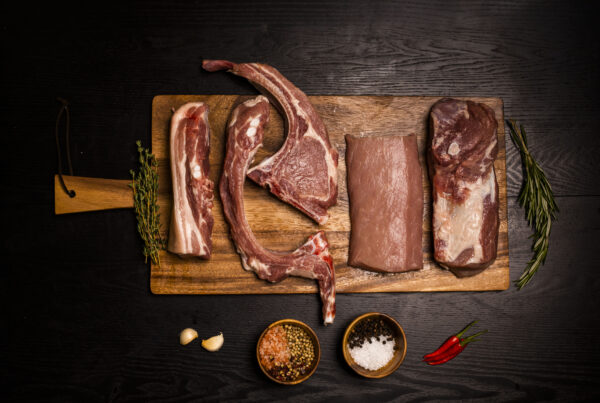
Although equally delicious, not all pork cuts in Australia are equal in terms of iron content. Consider how these cuts compare:
- Pork Loin: It’s lean, tender, and a go-to for roasting or slicing into medallions. It contains iron, but slightly less than darker cuts.
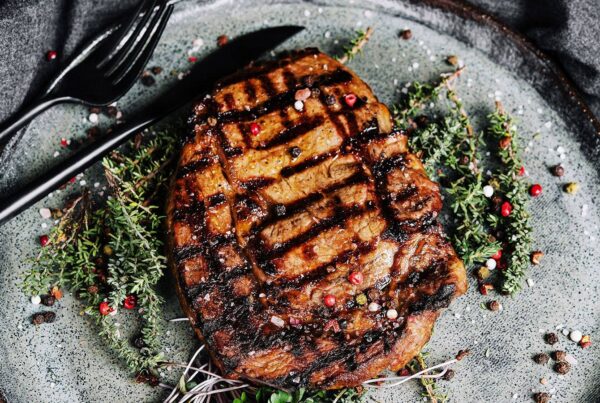
- Pork Chops: This weeknight favourite balances flavour and nutrition, with moderate iron levels.
- Pork Belly: Nobody can deny the indulgent flavour of pork belly. But since its iron content sits alongside its higher fat content, it’s more of a sometimes treat.
- Pork Shoulder: This slow-cooking hero features a darker cut and tends to contain slightly higher levels of iron.
- Pork Mince: A versatile kitchen staple that gives you a convenient way to include iron in everyday meals like stir-fries, dumplings, and pasta dishes.
Still precarious about your pork’s iron levels? Since darker cuts of pork generally contain a bit more iron than leaner, lighter cuts, you can get the best of both worlds by mixing up your meals.
How to Include Iron-Rich Pork in Your Diet
Adding simple, premium cuts of Linley Valley Pork to your weekly menu is the smartest way to reach your iron goals. But with a few simple tweaks, you can ensure you get the most out of this versatile ingredient.
Boost Your Iron Absorption
Your body naturally absorbs the iron in pork, but you can help it to do this even more efficiently when you:
- Pair pork with vitamin C-rich foods like tomatoes and leafy greens
- Avoid overcooking the pork, which can impact its texture and nutrient quality
- Include a wide range of iron sources across your weekly meals
Discover Easy Meal Ideas
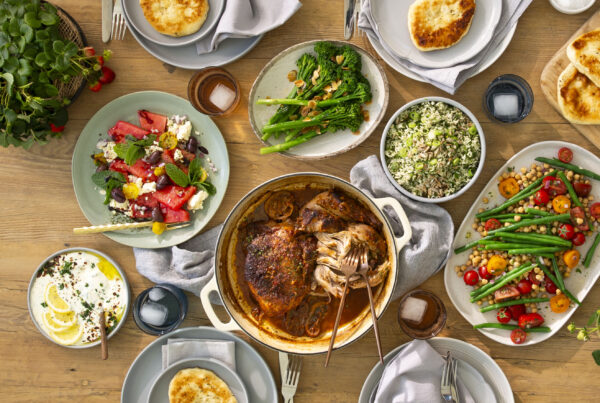
Pork is super versatile, so you can use it in just about any type of dish. Try these tasty pork recipes and discover the flavour range:
- Stir-fry pork with crunchy vegetables and a savoury sauce
- Pork loin steaks with a fresh Greek salad
- Herb and garlic pork cutlets with rice pilaf and fresh sides
- ‘Yakiton’ pork belly skewers with edamame beans and crunchy cucumber
With pork as your base and the right accompaniments, you can build meals that are satisfying and packed full of iron.
Choose Quality Australian Pork
Cooking with premium Australian pork means you’re enjoying the freshest, tastiest, and highest quality ingredients. And thanks to the healthy dose of iron in pork, premium cut of Linley Valley Pork can support your iron intake and give you a deliciously versatile staple for weekly dinners.
Ready to get cooking? Explore our product range and create something special.