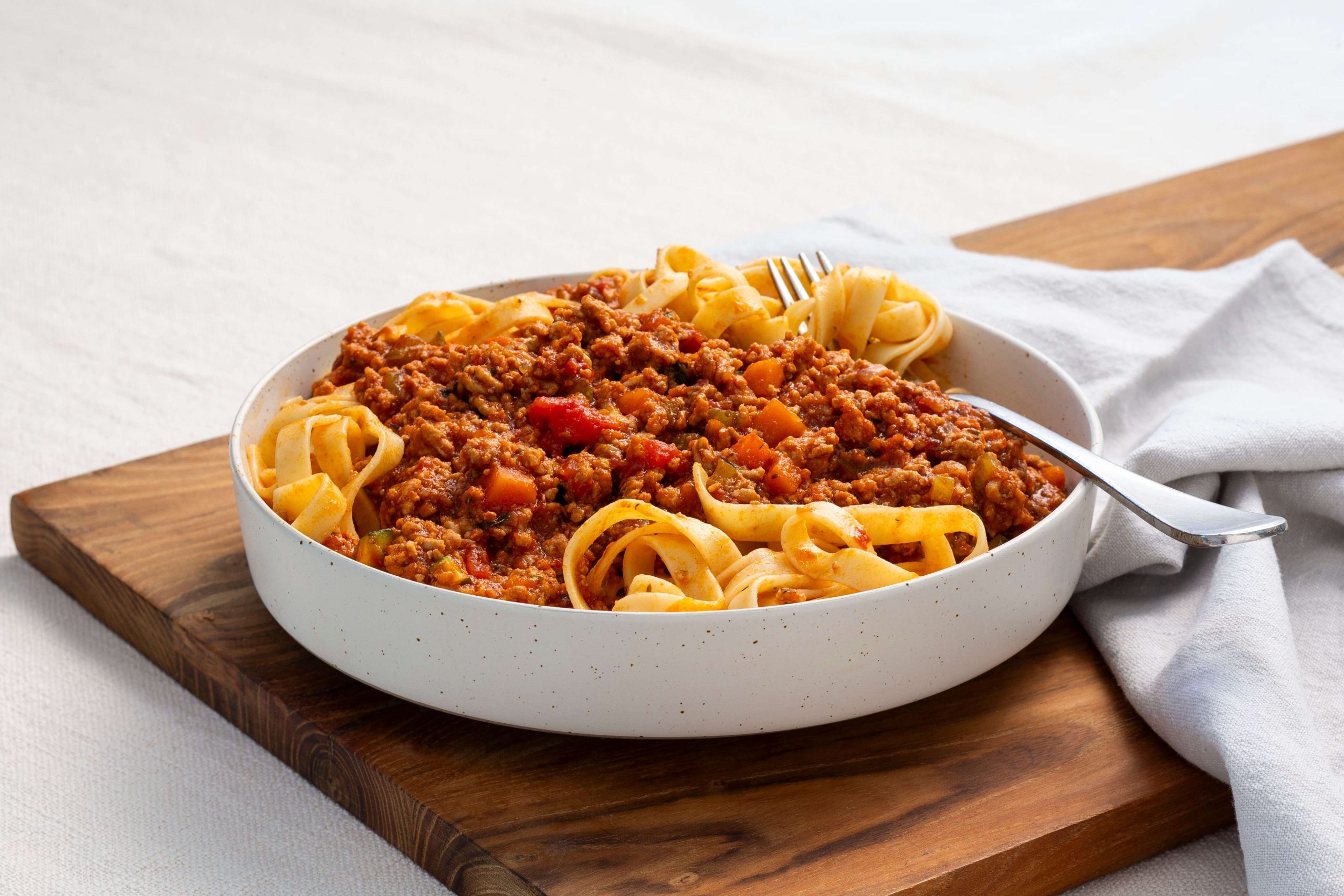
Cooking pork is simpler than you may expect. When you cook pork with care, it rewards you with depth, tenderness, and real flavour. Once you understand how to cook pork properly, it earns a permanent place in your kitchen.
It’s time to rethink how you cook pork and enjoy it at its best, with premium options from the Linley Valley Pork products range.
General Cooking Tips for Pork
Pork cooks best over medium heat. High heat dries it out before the interior cooks properly. Australian pork delivers the best flavour when it stays juicy and tender.
Pork continues cooking once removed from the heat. Let it rest uncovered for one to two minutes in a warm place before serving. Always slice pork across the grain to keep it tender. Avoid poking or pressing the meat while it cooks, as this pushes out moisture.
Marinating adds flavour and tenderness, especially for barbecue cooking. Bring pork to room temperature before cooking for even heat distribution and better texture.
Learn more: When is Pork Done? A Complete Guide to Cooking Pork.
Understanding Pork Cuts
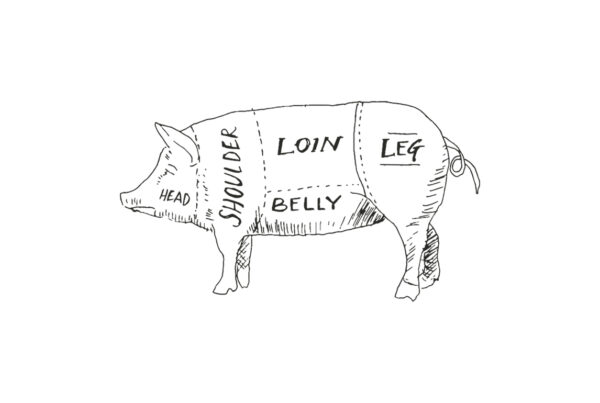
Every pork cut brings something different to the table. Some thrive under slow heat, while others suit quick cooking. Knowing the cut helps you choose the right method:
| Pork Cut Group | Common Cuts | Best Cooking Methods |
| Shoulder and Collar Butt | Shoulder roast, collar butt | Slow cooking, braising, roasting |
| Loin and Fillet | Loin chops, loin steak, fillet, thin cut loin steaks, scotch fillet | Pan-frying, grilling, roasting |
| Belly | Belly, belly fingers | Roasting, slow cooking, barbecuing |
| Leg | Leg roast | Roasting |
| Ribs | Spare ribs, baby back ribs | Barbecuing, roasting, slow cooking |
| Mince | Pork mince | Stir-frying, pan-frying, and casseroles |
For a deeper dive, visit our guide on decoding pork cuts.
You can explore each of these cuts in more detail through the Linley Valley Pork products page or find recipes and cooking tips for every occasion.
How to Prepare Pork
Taking the time to prepare pork properly sets the foundation for juicy, tender results every time. Bring pork to room temperature before cooking to encourage even heat through the meat, then pat it dry, especially for roasts and belly, to help achieve crisp, golden crackling. Season generously with salt, pepper, and herbs to build flavour from the start.
Marinating adds another layer of depth and works beautifully for many cuts. Simple combinations like olive oil, garlic, lemon, soy sauce, honey, or mustard deliver plenty of flavour without overpowering the pork. Always follow safe food handling practices by keeping raw pork refrigerated and avoiding cross-contamination in the kitchen.
How to Cook Pork by Method and Cut
Roasting
Roasting suits cuts like pork leg, shoulder, and belly. Preheat your oven or barbecue to a moderate temperature. Use a rack to allow heat circulation.
For crackling, dry the skin thoroughly, score it carefully, and season with salt. Start with higher heat briefly, then reduce to medium for even cooking. Rest the pork before carving.
Roast pork pairs beautifully with seasonal vegetables, apple sauce, or simple gravies.
Pan-Frying and Grilling
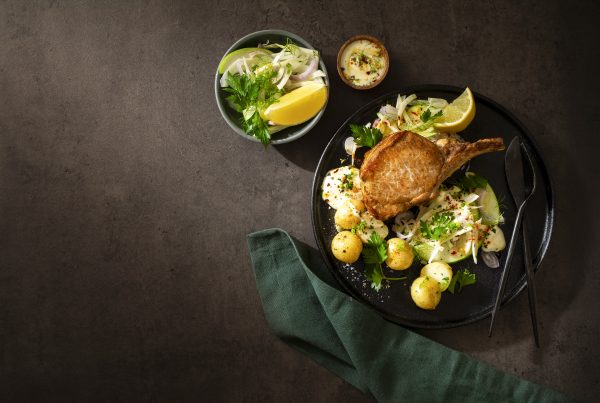
Pan-frying and grilling work best for loin chops, cutlets, medallions, and loin steaks. Preheat the pan or grill and lightly oil the surface. A spray oil works well and adds flavour with less fat.
Cook pork over medium heat until golden on the outside and just cooked through. Juices should run clear. Rest briefly before serving to keep it moist.
Most chops and medallions cook in four to six minutes per side, depending on thickness.
Slow Cooking, Braising, or Stewing
Slow cooking suits shoulder and collar butt cuts. These methods transform value-driven cuts into rich, tender meals.
Cook on low heat for several hours until the meat pulls apart easily. Cut meat into even sizes for consistent cooking. Searing the pork before slow cooking adds depth of flavour.
Natural fats may rise during cooking. You can skim them off if preferred. Slow cooking enhances flavour, tenderness, and texture.
Barbecuing
Barbecuing suits ribs, pork steaks, and skewers. Keep the heat moderate and avoid flare-ups.
Ribs benefit from low and slow cooking, often taking one and a half to two hours. Pork steaks cook faster, around six to eight minutes per side. Skewers cook in under ten minutes.
Always use clean utensils and separate raw and cooked meats outdoors. Finish with sauces inspired by Aussie flavours like honey, mustard, or smoky barbecue glaze.
Stir-Frying
Stir-frying suits tenderloin and thin pork strips. Preparation matters here. Chop all ingredients before cooking and keep them similar in size.
Heat the wok until you see a heat haze. Add oil carefully and avoid burning it. Cook pork in small batches to maintain heat. Always slice pork across the grain.
Stir-fried pork cooks quickly, often in two to three minutes. Add vegetables that take longer first, then faster-cooking ones last.
Tips for Perfect Pork Every Time
Pork is safe and delicious when you cook it properly. Use a thermometer where possible. Most whole cuts cook best when they reach an internal temperature of around 63°C, followed by resting.
Resting allows juices to redistribute. Avoid cutting immediately. To check doneness without a thermometer, look for clear juices and firm yet springy meat.
Store leftovers in the fridge within two hours of cooking. Reheat gently until piping hot.
Pro tip: For restaurant-style pork belly, dry the skin overnight in the fridge before roasting.
Explore More Pork Inspiration
Cooking pork opens the door to endless recipe ideas. Once you master how to cook pork, you will find that it becomes the most flexible protein in your kitchen.
You can revisit our full guide on how to cook pork, explore cuts through decoding pork cuts, and browse individual options across our product range.
Trying a new Linley Valley Pork cut this week? Share your creation on Instagram or Facebook and tag Linley Valley Pork. Beautiful pork deserves to be shared.