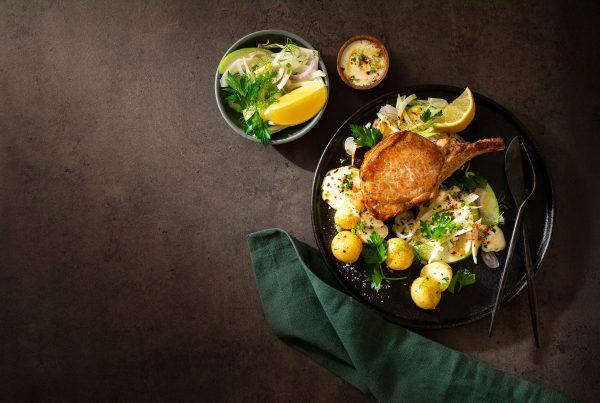
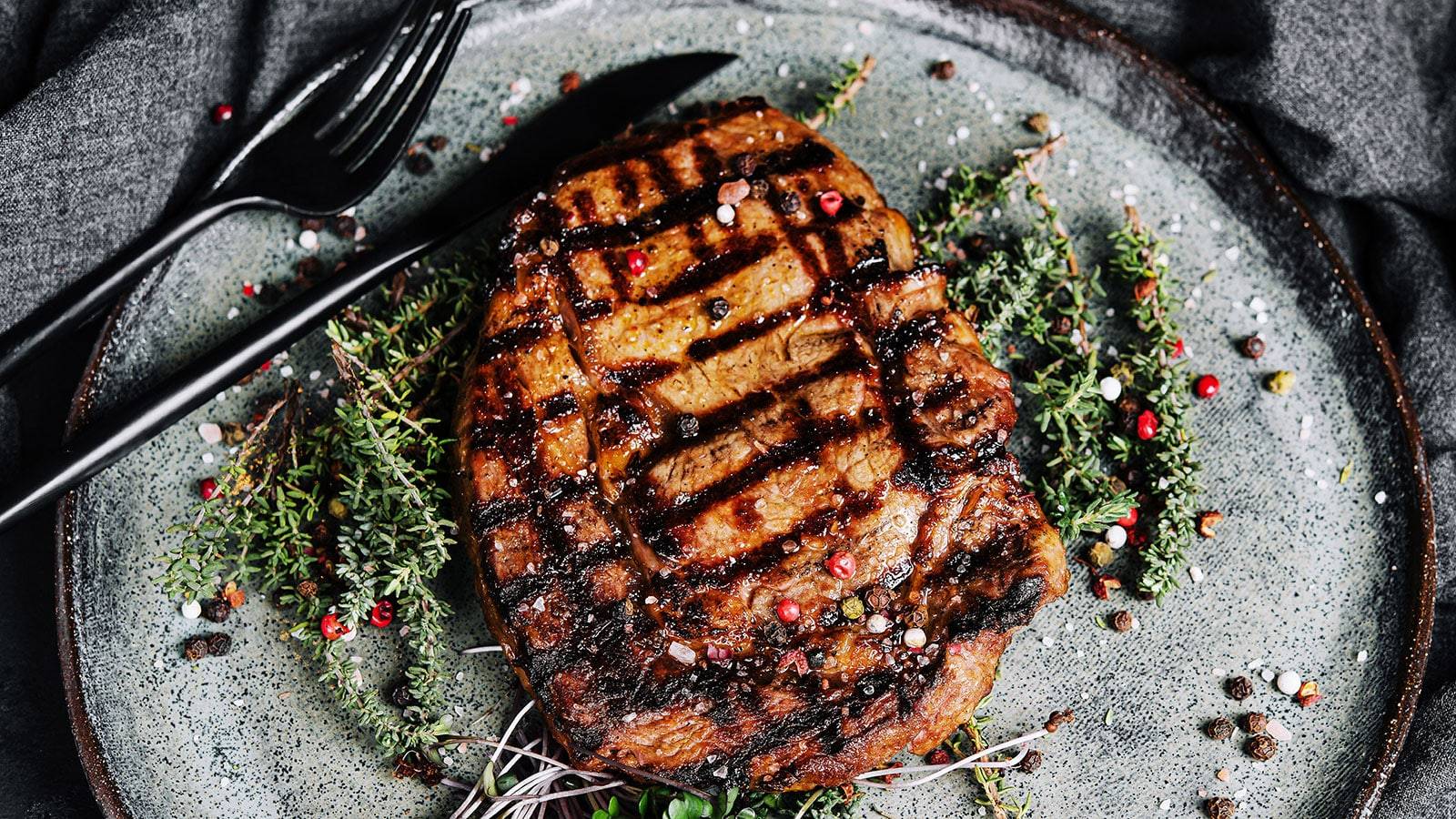
What is the 6-2-2 rule for pork? It’s a simple cooking method that helps you cook pork steaks, chops and cutlets with more confidence: six minutes on one side, two minutes on the other, then two minutes to rest.
For many home cooks, pork can feel a little intimidating. Cook it too long and it can turn dry; rush it and you’re left second-guessing whether it’s ready. The 6-2-2 method gives you an easy starting point, taking the guesswork out of the pan and helping you serve pork that is juicy, tender and full of flavour.
In this guide, we’ll break down how the rule works, which cuts it suits best, how to avoid common mistakes, and when to use a different cooking method altogether.
What Does the 6-2-2 Rule Mean?
The 6-2-2 rule is exactly what it sounds like: a simple timing guide for cooking pork in a pan, on a griddle or on the BBQ.
Here’s the basic breakdown:
- 6 minutes cooking on the first side
- 2 minutes cooking on the second side
- 2 minutes resting before serving
That gives you 10 minutes of cooking and resting time, with the final two minutes helping the pork stay tender and juicy once sliced.
The method is most commonly used for pork steaks, chops and cutlets of a fairly even, moderate thickness. It is especially handy for quick-cooking cuts such as loin steaks, pork cutlets and similar midweek favourites. Thicker cuts may need extra time, while thinner cuts may cook faster, so treat 6-2-2 as a helpful guide rather than a one-size-fits-all rule.
Why the 6-2-2 Rule Works
The 6-2-2 rule works because it combines steady heat, minimal turning and resting. Lean pork cuts, especially loin, fillet and leg trimmed of outside fat, can dry out when overcooked.
Medium heat is the sweet spot. Too hot, and pork can dry out before the centre is cooked properly. This lines up with Linley Valley Pork’s cooking advice, which recommends cooking pork over medium heat and resting it briefly after cooking. The 6-2-2 method follows that same logic, giving pork enough time to cook through while helping it stay juicy and tender.
Which Cuts Suit 6-2-2 Pork Cooking?
The 6-2-2 rule works best with quick-cooking pork cuts that suit the pan, griddle or BBQ. It is ideal for weeknight-friendly cuts, rather than large roasts or slow-cooking pieces.
Good cuts to try include:
- Loin chops: lean, flavourful and well suited to pan-frying or grilling
- Forequarter chops: great with marinades, sauces or BBQ flavours
- Pork cutlets: easy to cook over medium heat and impressive on the plate
- Pork steaks: including loin steaks or scotch fillet steaks, depending on thickness
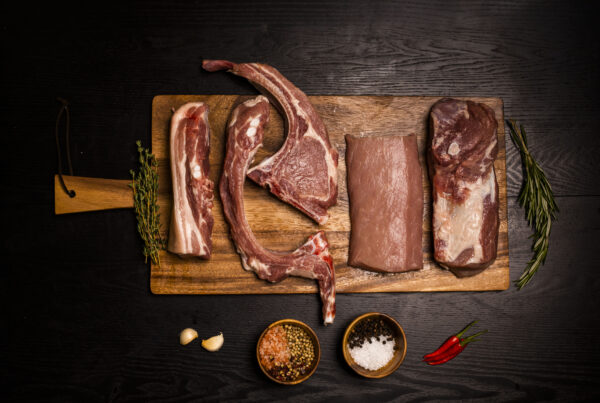
Choose cuts with a fairly even thickness so they cook consistently from edge to centre. For extra help choosing the right cut, explore the Linley Valley Pork product range for pork steaks, cutlets, chops and other quick-cooking options.
Step-by-Step: How to Cook Pork Using the 6-2-2 Method
- Take the pork out of the fridge
Let the pork sit briefly before cooking so it is not ice-cold when it hits the pan. - Pat it dry and season
Pat the pork dry with paper towel, then season with salt and pepper. You can add a marinade or extra seasoning, but salt and pepper are enough when you want to keep things simple. - Preheat your pan, griddle or BBQ plate
Get your cooking surface hot first, then cook over medium heat to help avoid drying out the pork. - Cook the first side for 6 minutes
Add the pork and leave it to cook without moving it around too much. - Turn once and cook for 2 minutes
Flip the pork once, then cook the second side for 2 minutes. - Rest for 2 minutes before serving
Take the pork off the heat and let it rest so the juices can settle.
When cooking pork 6 2 2 style, the rhythm is simple: cook, turn, rest, then enjoy.
Do You Need a Thermometer with 6-2-2?
The 6-2-2 rule is a helpful guide, not a replacement for checking that your pork is cooked to the right temperature. It works best with pork steaks, chops and cutlets of an even, moderate thickness. If your cut is especially thick, thin or uneven, the timing may need a little adjusting.
The timing helps guide you through the method, while the thermometer helps confirm the result. Linley Valley Pork’s cooking advice notes that most whole cuts are best served at around 63°C, followed by resting.
Think of 6-2-2 as your guide, and the thermometer as your final check.
Common Mistakes to Avoid
Even with a simple method like 6-2-2, a few small habits can affect how evenly the pork cooks and how juicy it is when sliced.
- Starting with cold pork: Let the pork sit briefly before cooking so it is not ice-cold when it hits the pan.
- Moving it too often: Once the pork hits the pan or BBQ, avoid shifting it around too much. Letting the first side cook properly helps build colour and flavour.
- Skipping the rest: Those final 2 minutes are part of the method, not an optional extra. Resting allows the juices to settle, helping the pork stay tender when sliced.
- Ignoring thickness: Very thin cuts may cook faster, while thicker steaks or chops may need more time. The 6-2-2 rule works best with evenly sized pork cuts that suit quick cooking.
How to Add Flavour to 6-2-2 Pork
Once the timing feels easy, you can start building flavour around the pork. Try a simple marinade before cooking, especially for BBQ pork. Garlic, olive oil, lemon, mustard, soy, herbs or a pinch of chilli all work well.
If your marinade or sauce contains honey, sugar or something quite sweet, keep an eye on the heat. Sweet marinades can catch and burn if the pan or BBQ is too hot, so you may want to lower the heat slightly or brush the marinade on later in cooking as more of a glaze.
You can also add butter, crushed garlic or fresh herbs near the end of cooking, keeping the heat controlled so they do not burn. After resting, finish with apple sauce, mustard, chimichurri, barbecue glaze, slaw or salad. For more ideas, explore Linley Valley Pork recipes, especially pan-fried, grilled and BBQ pork dishes.
When the 6-2-2 Rule Doesn’t Apply
The 6-2-2 rule is not designed for every pork cut. Large roasts, pork belly, ribs, casseroles, stews and pulled pork all need different cooking methods.
Roasts need oven cooking times based on size and cut. Pork belly needs time to render and crisp, while shoulder is better suited to slow cooking or braising. For these cuts, use Linley Valley Pork’s how-to-cook guide to match the pork cut with the right method.
Building Confidence Cooking Pork
The 6-2-2 rule removes the guesswork by giving you a simple rhythm to follow, making pork easier to cook on busy nights.
Once you have tried it a few times, you will get a feel for how different cuts behave. From there, you can adjust the timing slightly based on thickness and make the method your own.
Ready to Try the 6-2-2 Rule?
So, what is the 6-2-2 rule for pork? It is a simple cooking method where you cook pork for 6 minutes on one side, 2 minutes on the other, then rest it for 2 minutes before serving.
Use it with pork steaks, chops and cutlets when you want a simple way to avoid overcooking and keep pork juicy. Try it at home with Linley Valley Pork steaks, chops or cutlets. Share your creation on Instagram or Facebook and tag @LinleyValleyPork so we can see what you’ve cooked.