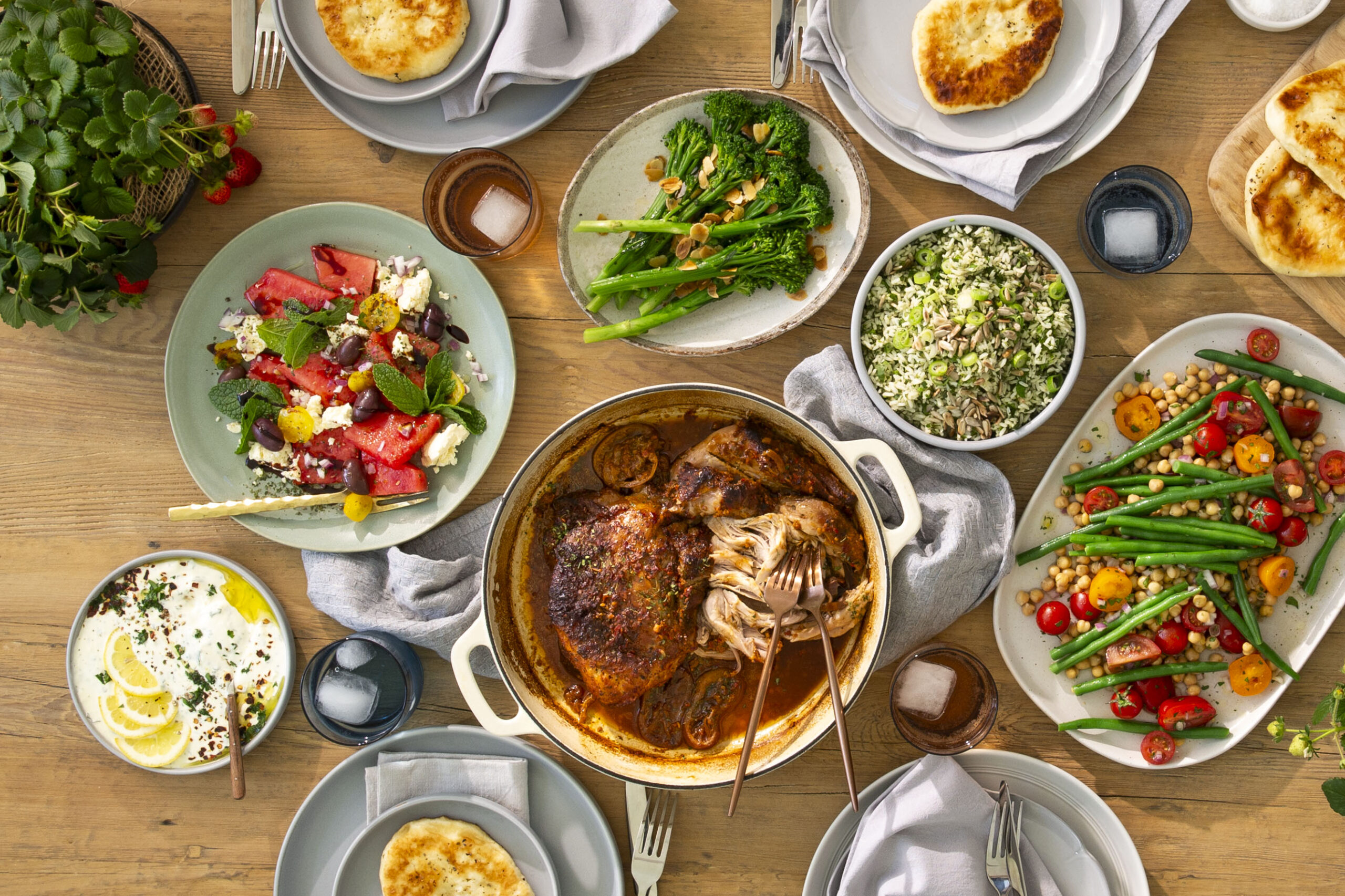
Pork is well known as a good source of protein, but that is only part of its nutritional story. It also provides important vitamins and minerals, including thiamin (vitamin B1), niacin, zinc, selenium and several other B vitamins.
So, what nutritional value does pork have beyond protein? This guide breaks down the key pork nutrition facts, including protein, fat, vitamins and minerals, and explains how they can vary between lean pork cuts.
Versatile and nutrient-dense, pork can form part of a healthy, balanced Australian diet. Under the Australian Dietary Guidelines, lean pork sits within the same core food group as other protein-rich foods including poultry, fish, eggs, tofu, nuts and legumes.
What’s in a Serve of Pork?
A 65 g serve of cooked lean pork provides 18.7 g of protein, along with thiamin, niacin, selenium, zinc and other vitamins and minerals.
The figures in the table are based on the average nutritional content of eight common lean pork cuts: rump, fillet, strips, diced pork, medallion or loin steak, loin chop, forequarter shoulder roast and mince. While the exact amount of each nutrient can vary between cuts, the table gives a useful guide to what you can expect from lean pork.
Under the Australian Dietary Guidelines, 65 g of cooked lean red meat is considered one standard serve, which is roughly 90-100 g raw before cooking. The guidelines recommend up to seven serves of lean red meat per week. In the table, RDI means Recommended Dietary Intake, while DI means Daily Intake. These percentages help show how much a serve contributes towards an average adult’s daily nutrient needs.
| Nutrient | Per 65 g serve | %DI/RDI per serve | Per 100 g |
| Energy | 431 kJ | 5% | 671 kJ |
| Protein, total | 18.7 g | 37% | 28.8 g |
| Fat, total | 3.19 g | 5% | 4.9 g |
| – saturated | 1.14 g | – | 1.76 g |
| Carbohydrate, total | 0 g | 0% | 0 g |
| Sodium | 40 mg | 2% | 61 mg |
| Potassium | 267 mg | – | 411 mg |
| Thiamin | 0.62 mg | 56% RDI | 0.95 mg |
| Niacin | 5.1 mg | 51% RDI | 7.84 mg |
| Vitamin B6 | 0.29 mg | 18% RDI | 0.45 mg |
| Pantothenic acid | 0.78 mg | 16% RDI | 1.2 mg |
| Phosphorus | 155 mg | 16% RDI | 239 mg |
| Selenium | 20.5 µg | 30% RDI | 31.5 µg |
| Vitamin B12 | 0.28 mg | 14% RDI | 0.44 mg |
| Zinc | 1.75 mg | 15% RDI | 2.7 mg |
Source: Australian Pork Limited, Pork Power: Value-Packed Nutrition, 2026 Updated Edition. Figures are a composite average across eight lean cuts using Australian Food Composition Database data. %DI is based on an average adult diet of 8,700 kJ, while RDI percentages use FSANZ adult reference values.
Lean pork is particularly rich in protein, thiamin and niacin, while also providing pantothenic acid, vitamin B6, vitamin B12, phosphorus, selenium and zinc. Together, these nutrients contribute to functions including energy metabolism, immune function, muscle maintenance and bone health, which we explore further below.
Under Food Standards Australia New Zealand (FSANZ) labelling criteria, lean pork qualifies as an excellent source of protein, thiamin and niacin, and a source of the other nutrients listed above.
Pork also provides complete protein, meaning it contains all nine essential amino acids the body needs to obtain through food. For a closer look at protein levels across different cuts, read our guide to Exploring the Protein Benefits of Pork.
Pork’s Standout Nutrient: Thiamin
Pork is a particularly valuable dietary source of thiamin, also known as vitamin B1. A 65 g serve of lean pork provides 0.62 mg of thiamin.
Thiamin plays an important role in normal energy metabolism, helping the body release energy from the food we eat. It also contributes to the normal function of the nervous system and heart, making it one of the standout vitamins in pork nutrition.
What Else Does Pork Contribute?
Beyond protein and thiamin, pork provides a range of vitamins and minerals that support normal body functions. Here’s how some of those nutrients contribute:
| Nutritional contribution | Key nutrients in pork |
| Muscle function and maintenance | Protein and potassium support muscle build, maintenance and repair |
| Energy and vitality | Thiamin, niacin, pantothenic acid, vitamin B6 and vitamin B12 contribute to normal energy metabolism |
| Immune function | Selenium, zinc, vitamin B6 and vitamin B12 help support normal immune function |
| Bone health | Protein, phosphorus and zinc contribute to the maintenance of healthy bones |
| Hair, skin and nails | Selenium, zinc and niacin contribute to the maintenance of healthy hair, skin and nails |
| Heart function | Thiamin contributes to normal heart function |
These nutrients from pork can contribute to a healthy, varied diet, alongside a range of other foods and nutrients.
How Does Pork Nutrition Vary by Cut?
Nutritional content can vary between pork cuts, particularly when it comes to fat. Choosing a leaner cut is one way to keep the overall fat content of your meal lower.
Pork can be naturally lean depending on the cut and how much visible fat is trimmed. Cuts such as fillet, loin steak and pork strips are examples of leaner options that can form part of a healthy, balanced diet.
Explore the full range of Linley Valley Pork products to find a cut that suits your meal and discover different ways to enjoy pork at home.
Where Does Pork Fit Into Your Diet?
Because different pork cuts vary in protein and fat, pork can work across a range of eating styles. Lean cuts such as fillet and loin can suit high-protein meals and muscle maintenance. Plain pork contains no carbohydrates, so it can also fit into keto or low-carb eating patterns. Keep in mind that marinades, sauces and glazes can add carbohydrates depending on how the pork is prepared. For more ideas, explore our Keto Pork Recipes.
Lean pork can also be a practical option for people focused on weight management, with its protein content helping support satiety as part of a balanced meal. Our guide to Is Pork Good for Weight Loss? looks at this in more detail.
Pork can also offer strong value when you consider how much protein you’re getting for your money. For a closer look at supermarket pricing and protein value, read our guide to whether pork is cheaper than other red meats.
The Bottom Line on Pork Nutrition
Pork offers much more than protein alone. Lean pork provides protein together with thiamin, niacin, vitamin B6, vitamin B12, phosphorus, selenium and zinc, giving it a broad nutritional profile. If buying Australian matters to you, all fresh pork sold in Australia comes from Australian farms.
To put that nutrition into practice, explore the full range of Linley Valley Pork products and pork recipes. You can also learn more in our guides to how much protein is in pork and iron in pork.